Anyone looking to buy a shipping container for the first time will usually quickly come across technical terms such as IICL, One-Trip, Cargo-Worthy or Wind & Watertight. These terms denote the quality levels of a container and provide information on its condition, age, intended use and structural safety. This guide explains the most important container grades, shows their differences and helps you choose the right variant.
- What do container quality statuses actually mean?
- The five common quality statuses in detail
- Which condition is the right one?
- Frequently asked questions – FAQ
What do container quality statuses actually mean?
There is no uniform, standardized global standard for evaluating used containers. In international transportation, containers are either tested for seaworthiness (e.g. by CSC survey) or assessed according to strict lessor standards such as IICL-6.
For resale, stationary use or conversion in Germany, dealers are typically guided by:
- Age
- general condition
- structural integrity
- History of use
In practice, the following five grades are common in the trade – from the highest quality to the oldest condition:
As-Is container
New containers (One-Trip)
IICL container (multi-trip)
Cargo-Worthy-Container (CW)
Wind- & Watertight-Container (WWT)
The five common quality statuses in detail
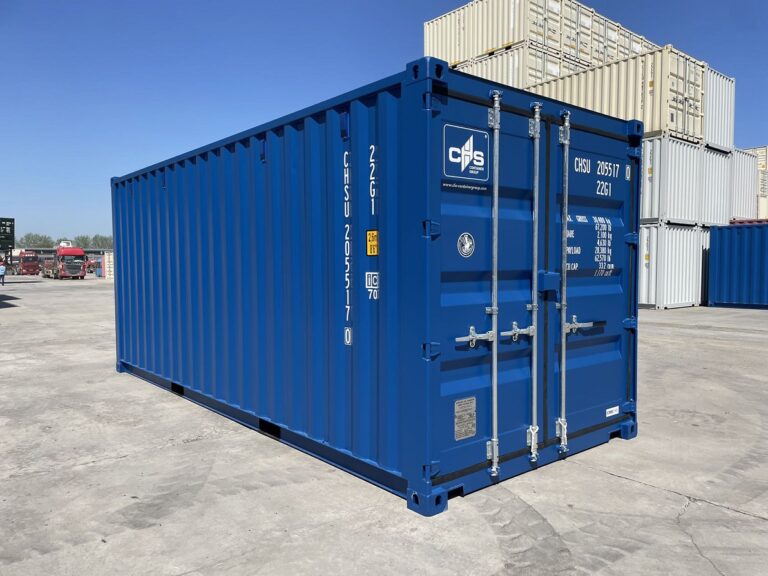
1. new containers (one-trip containers)
Features
- Only one loaded crossing completed
- Usually < 2 years old
- Very good resale value
- Long service life (often > 20 years)
Optical features
New containers usually come in beige (RAL 1015). Other typical colors are blue, red or grey. Slight signs of transportation are normal.
Construction variants
Storage-Spec (storage version):
- Optimized for stationary use
- Usually with lockbox, light door guide, forklift pockets
Shipping-Spec (transport version):
- For worldwide transportation
- Slightly thicker steel (approx. 1.6 mm instead of 1.2 mm)
Typical areas of application
- Long-term storage
- High-quality conversion (e.g. modular construction, container offices)
- Multi-storey construction projects
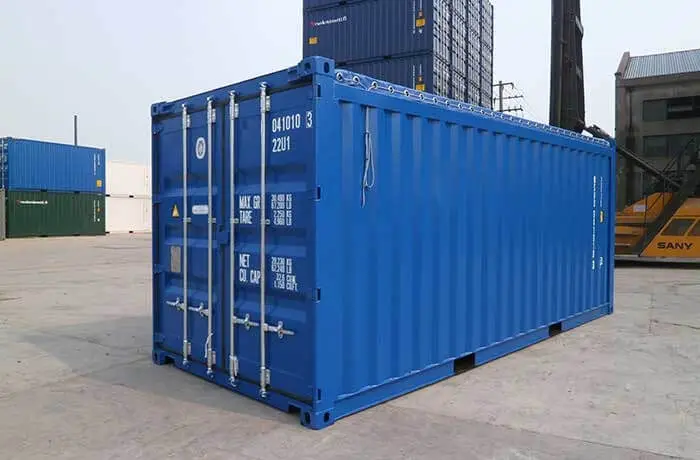
2nd IICL container (multi-trip)
Features
- 3-5 years old
- Few, but multiple uses
- Complies with IICL-6 inspection standard
The IICL standard checks, among other things:
- Steel structures and welding areas
- Dimensional tolerances
- Overload traces
- Possible odor or residue pollution
Appearance
- different colors
- Logos of shipping companies often present
- slight signs of wear, but technically of high quality
Areas of application
- Storage purposes
- Worldwide transportation
- Leasing projects
- Conversions with high standards
3. cargo-worthy container (CW)
Features
- approx. 7-12 years old
- Technically still seaworthy
- CSC certification possible for an additional charge
Condition
Typical features:
- Visible wear and tear
- Rust spots
- Dents
- Logos of major shipping companies
The following are not permitted:
- Holes in the steel
- Heavy soil wear
- pronounced deformations
Areas of application
- Simple conversion projects (e.g. workshop)
- national transportation purposes
- Secure storage areas
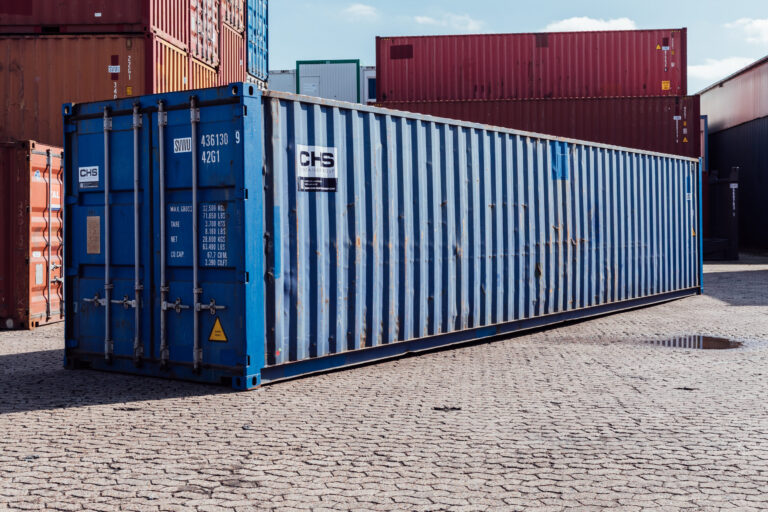
40ft Used Shipping Container
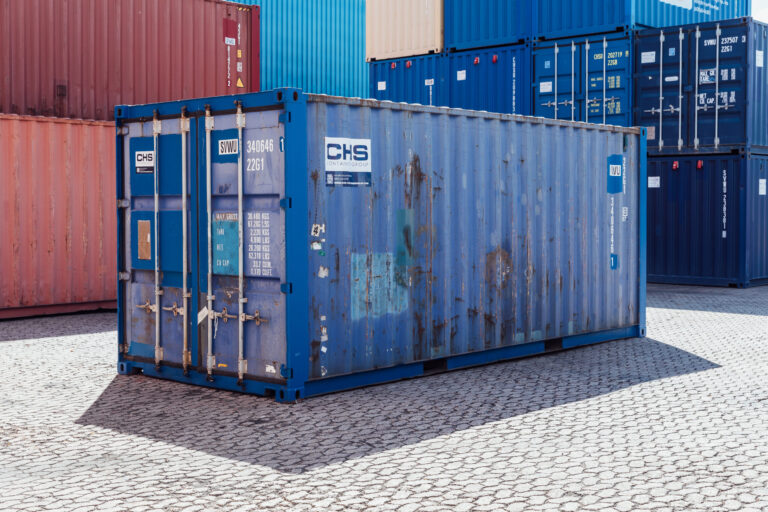
20ft Used Shipping Container
4. wind & watertight container (WWT)
Features
- approx. 10-15 years old
- Wind and waterproof
- No longer suitable for international stacking
Condition
- Faded paintwork
- Visible rust
- clear signs of use
- Doors must close tightly (light test)
Areas of application
- Stationary storage
- slight modifications (e.g. shelves, vents)
- No load-bearing conversions recommended
5. as-is container
Features
- sold without guarantee of function or condition
- Possible need for repair
- Often repair basis
Typical damage:
- Defective floors
- Holes in the steel
- Heavy corrosion
- Roof indentations
Areas of application
- Exercise or training objects (e.g. welding courses)
- Film and stage construction
- temporary barricades
Which condition is the right one?
| Field of application | Recommended grade |
|---|
| Long-term storage | One-Trip or IICL |
| International transportation | One-Trip, IICL or CW |
| Workshop, garage, projects in the garden | CW or WWT |
| Conversion to a residential or office unit | One-Trip |
| Small budgets | WWT or As-Is |
Frequently asked questions – FAQ
Which is better – IICL or Cargo-Worthy?
IICL meets much stricter test criteria and is usually in better condition than CW.
Why are one-trip containers more expensive?
They are as good as new, durable and offer maximum resale value.
Can a used container be made seaworthy?
Yes, CW containers can be recertified via CSC survey.
Are used containers still leak-proof?
WWT containers must be wind and watertight. For older models, it is still worth carrying out a visual inspection or light test.
Is an As-Is container advisable?
Not so much for storage. It can be useful for projects with a small budget or repair skills.