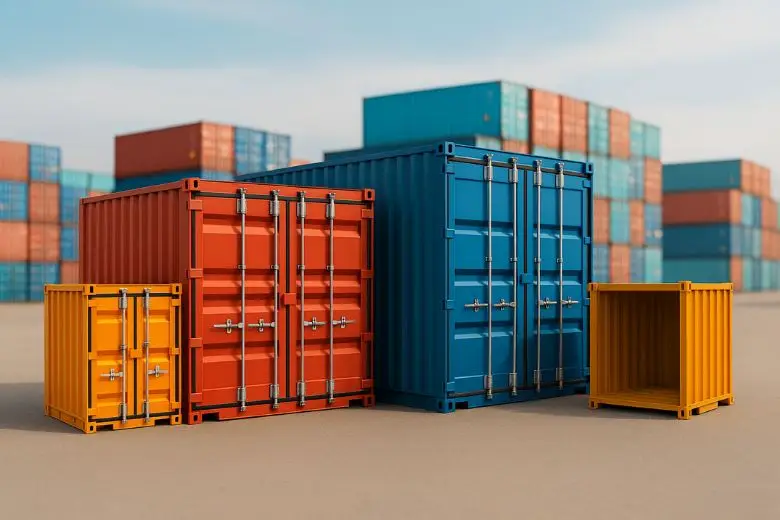
“Sea container”, “ISO container”… what’s the difference? The container industry is full of overlapping terms. So much so that the International Organization for Standardization created a standard in 1981 to unify the language used: ISO 830.
This guide explains what ISO 830 is, which terms are standardized in it and why this standardization is important.
- What is ISO 830?
- Why is ISO 830 important?
- Sea container names
- Sea container types
- ISO Standards
- Frequently asked questions – FAQ
What is ISO 830?
ISO 830 is an international standard that connects the world of containers through a common language. It was first published in 1981 by the International Organization for Standardization (ISO) and serves as a glossary of standardized terms to describe container types, components and properties. It also standardizes terms related to container handling – crucial for the documentation of loading and unloading procedures and for the protection of all parties involved.
Why is ISO 830 important?
The common language of ISO 830 keeps the global supply chain efficient, ensures safe handling and ensures the universal applicability of containers. Without it, there would be far less clarity about which containers are suitable for intermodal transportation, bulk cargo, liquids and so on. This lack of clarity would be costly at best – and dangerous at worst.
The standard also helps to categorize containers throughout their entire manufacturing and quality assurance process. For example, it distinguishes between a freight container (which fulfills basic physical characteristics) and a series 1 freight container, which has been dimensioned in accordance with ISO 668 and tested in accordance with ISO 1496.
Sea container names (defined at ISO 830
ISO 830 first defines very clearly what a container is – based on the International Convention for Safe Containers (CSC): a strong, durable transportation device that facilitates the handling of goods.
The following subclasses of containers are then named.
Freight containers: A container that can be easily filled, handled and moved by at least one mode of transportation without repacking. Also known as a shipping container.
Intermodal containers: A container that can be moved across several modes of transportation without having to be repacked.
ISO containers: A container that has been manufactured in accordance with all relevant ISO freight container standards.
Series 1 Freight Containers: An ISO container that complies with ISO 668 and has been tested in accordance with ISO 1496.
Smart containers: A container that is equipped with tracking or monitoring systems.
Sea Container types (defined in ISO 830)
ISO 830 groups containers based on the product categories they are designed to transport. Here are some of the most common container types mentioned in the standard.
General Cargo Containers
General cargo containers transport goods that do not require special atmospheric conditions (such as pressure regulation, additional ventilation or temperature control). They are not intended for air transportation.
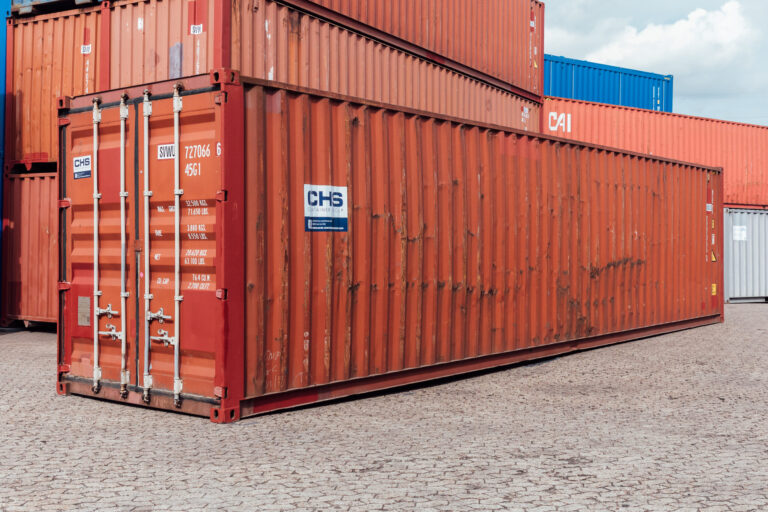
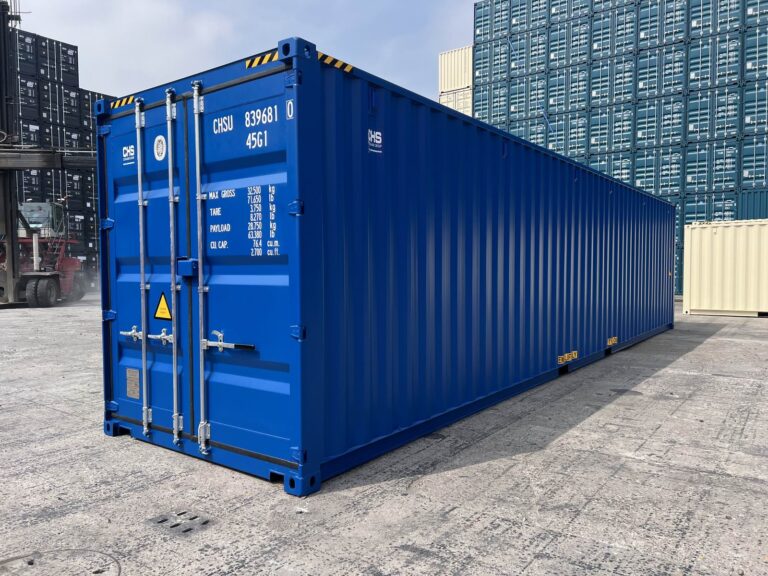
General cargo containers can be further subdivided into:
- General-purpose cargo containers: Containers with at least one end door that can transport a variety of goods. A 20-foot standard container, for example, belongs to this category.
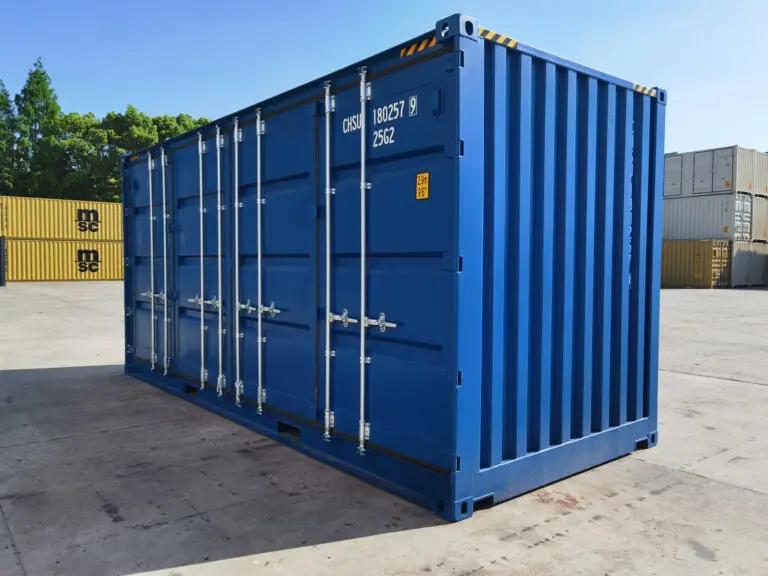
- Specific-purpose cargo containers: Containers with additional unloading openings that facilitate loading and unloading. Open-top and hard-top containers are among these special containers.
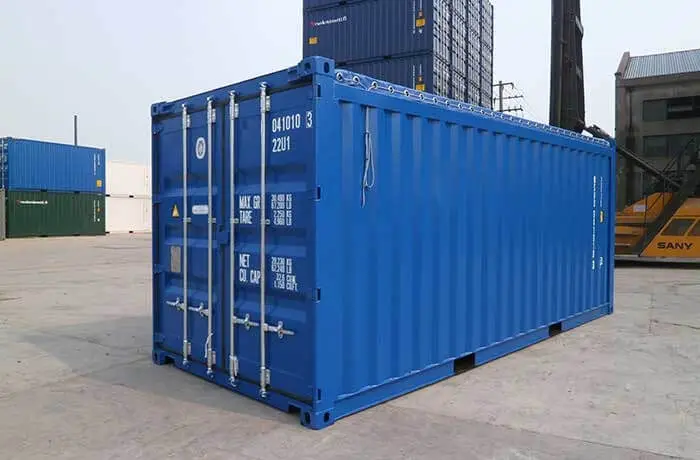
Specific Cargo Containers
Specific cargo containers have additional features for certain groups of goods. They can be further subdivided into
- Thermal containers: Insulated to control the atmosphere. This includes refrigerated containers, heated containers or containers with insulated walls, roof, doors and floor.
- Dry bulk containers: Designed for the transportation of bulk goods such as grain or ore.
- Tank containers: Designed for the transportation of large quantities of liquids or gases.
- Named-cargo containers: Designed for the transportation of a specific type of goods, e.g. vehicles or livestock.
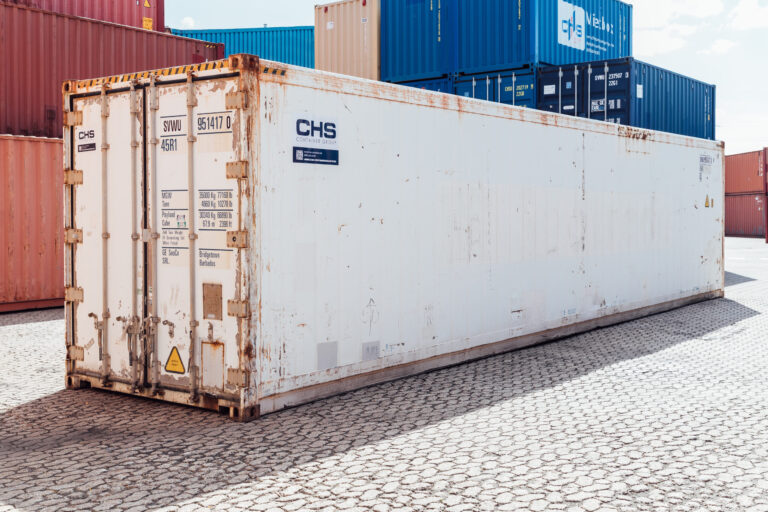

Shipping Container Components
In addition to container designations and types, ISO 830 defines important terms for the manufacture, quality assurance and movement of freight containers. These include:
- Components: e.g. side panels, forklift pockets, corner castings.
- Characteristics: e.g. external dimensions, internal dimensions, door opening.
- Ratings and masses: e.g. load capacity, unladen weight, payload, floor load capacity.
- Handling: e.g. empty container, loaded container, mobile center of gravity.
What is not covered by ISO 830?
ISO 830 is comprehensive, but does not cover all informal or obsolete terms. Here are some other non-standardized container terms.
- Conex box: Originates from the US military’s “Container Express” program of the 1950s. The term originally referred to smaller, specialized units, but is now used synonymously with “shipping container”.
- Sea can: Also called “C-can” or “C container”. Canadian slang for a shipping container.
- Sealand container: Refers to Sea-Land, the US company of Malcom McLean, who is widely regarded as the inventor of the modern intermodal container.
- Storage container: Refers to containers for private storage or units that are not suitable for intermodal transportation (such as smaller containers).
ISO 830:2024 and other standards
The current edition, ISO 830:2024 (3rd edition), was published in 2024. Other relevant ISO container standards are
- ISO 668: Freight Containers – Dimensions
- ISO 1161: Series 1 Freight Containers – Corner Fittings – Specification
- ISO 6346: Freight Containers – Coding, Identification and Marking
- ISO 17712: Freight Containers – Mechanical Seals
Frequently asked questions – FAQ
What is an ISO container?
An ISO container is a freight container that meets all applicable ISO standards regarding classification, dimensions, coding, marking and testing. Containers that comply with ISO 668 and have been tested in accordance with ISO 1496 are also referred to as Series 1 freight containers.
What is an intermodal container?
ISO 830 defines intermodal containers as those that are designed for use across multiple modes of transportation without having to be unloaded and reloaded. For example, an intermodal container can be transported by truck, rail and ship.
What is the difference between a sea container and an intermodal container?
A freight container is designed for at least one type of transportation, while an intermodal container is suitable for several. Not every freight container is intermodal, but every intermodal container is a freight container.
What is a smart container?
ISO 830 defines smart containers as containers that are equipped with a tracking or monitoring system – built-in or retrofitted. These systems can be permanent or temporary. Smart containers provide valuable real-time data, including location, estimated time of arrival and – if relevant – temperature settings.