DE
DE 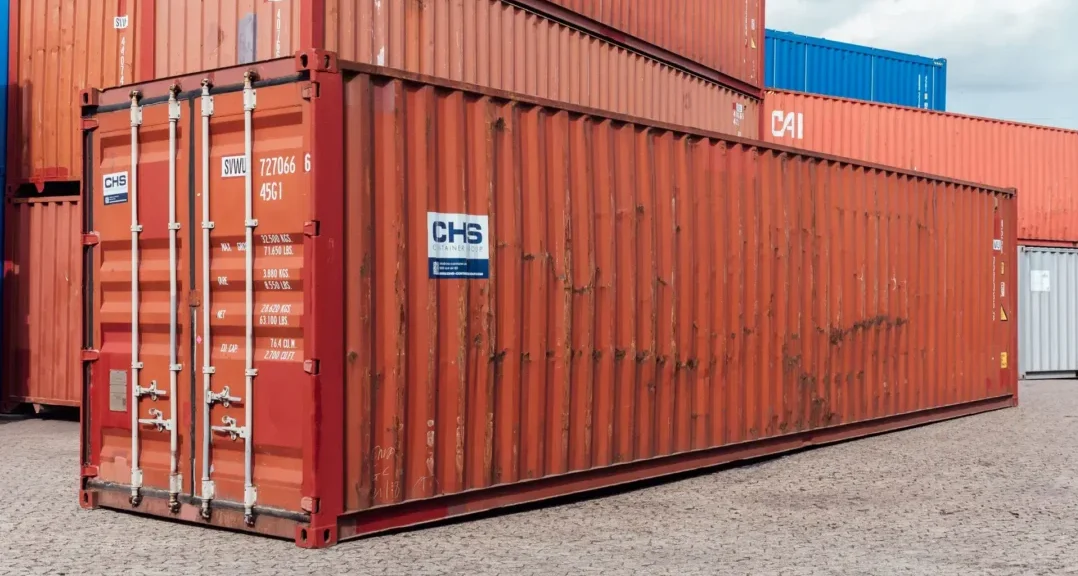
Budgeting for a shipping container sounds simple on the surface. A quick Google search (or these days, AI conversation) and you’d expect to know the fixed figure you’ll be paying. But when the answers range from $750 to $7,000, it can be difficult to determine what you should be paying—and what fair market value actually is.
In this guide, we’ll walk through all the variables that go into shipping container pricing, along with the hidden costs that may make you think twice about bargain shopping.
Understanding Shipping Container Costs
The price you pay for a shipping container will ultimately depend on four things: size, condition, location, and market conditions. Prices can also be influenced by less predictable, macro-level factors, like global politics and environmental events. Let’s take a look at each variable in more detail.
Size
A common misconception is that larger containers come with a larger price tag. However, container prices are actually more dependent on supply than square-footage. Think of it like commodity pricing: the more of something in circulation, the cheaper it becomes. Just as oil prices fall when supply is plentiful, container prices drop when a particular size is abundant on the market (and rise when it isn’t).
Most of the world’s container fleet is made up of three sizes: 20ft standard containers, 40ft standard containers, and 40ft high-cube units. These are the containers you can expect to pay the least for. Rarer sizes—like an 8ft mini container—are rarely used in shipping, so they come at a higher price even though you’re getting considerably less space.
Condition
A used shipping container’s price isn’t just a reflection of how old it is. Containers are graded (and then priced) based on a multi-point visual inspection that factors in age, structural integrity, and service history.
Consider two containers with identical manufacture dates. If one has completed a handful of trips and another has been working the global shipping lanes for years, they’ll be in very different shape—and priced accordingly. A container that’s done more trips will typically carry more wear and grade lower than one that’s completed only a few, regardless of manufacture date.
Container conditions range from new “one-trip” units at the top end to as-is containers at the bottom. You can read about all five grades in our conditions guide.
Location
Container pricing is also influenced by how easy containers are to access and deliver. Coastal areas and major intermodal cities—like Los Angeles, Houston, Baltimore, and Savannah—have ports and terminals that receive containers from around the world. They have more inventory, and lower prices reflect that.
As containers travel further inland, supply thins out and prices rise. The further you are from a major terminal, the more that journey adds to the price you’ll pay.
Market Conditions
Container prices are directly impacted by current affairs and geopolitical factors. During the COVID-era shipping crisis, for example, secondhand prices doubled or sometimes tripled in certain markets, because supply was so short—and it took nearly two years to stabilize again.
Current events in the Middle East may also impact U.S. container costs in the coming months. For example, the Iran war has reduced the cargo ship capacity of the Strait of Hormuz, which is now (as of April 2026) operating at 95% less capacity than in peacetime. The more uncertainty there is about cargo volumes, the less likely shippers will be to let go of their containers. That’s when the law of supply and demand comes into play: lower supply means higher prices.
Average Shipping Container Prices in the U.S. (2026)
Below are ballpark prices for the most commonly available shipping containers, with a range governed by the variables discussed above.
| Size | Condition | Est. Price Range |
|---|---|---|
| 20ft Standard | Used | $1,250-$2,500 |
| 20ft Standard | New | $2,500-$3,500 |
| 40ft Standard | Used | $2,000-$3,250 |
| 40ft Standard | New | $3,700-$5,125 |
| 40ft High-Cube | Used | $1,750-$3,000 |
| 40ft High-Cube | New | $3,700-$5,125 |
Understanding Shipping Container Delivery Costs
Delivery is the cost that catches most first-time buyers off guard. Unfortunately, free shipping on 4,000 pounds of steel just isn’t an option. You pay for the delivery driver’s time, every mile the container travels to reach you, and the drop-off itself. If you’re close to a depot, that can be as little as $350. But if you’re 200 miles away, that cost can run into the thousands.
Here’s what impacts delivery cost:
Distance from the depot
This is the largest and simplest variable. Carriers charge on a per-mile basis. The farther away you are from the depot, the higher the delivery cost.
Delivery method
Shipping containers are most commonly delivered on a tilt-bed trailer, which allows the container to be tilted and offloaded onto the ground without any additional equipment on your end.
Flatbed trailers are more widely available than tilt-beds, which makes them the lower-cost delivery option. The trade-off is that you’ll need to arrange your own offloading equipment, such as a forklift or crane, on site. Without it, you risk paying for a dry run and re-delivery.
| Dry Runs: A dry run is when a delivery driver attempts to deliver your container but can’t. This can happen if no one is available to receive the order, the site is inaccessible or not ready, or there is severe weather. Most, if not all, container companies will charge you for a dry run that could have been prevented. In the case of weather-related events, deliveries are usually rescheduled before the driver has departed, and you won’t be charged. |
Driver Availability
This is slightly more difficult to pin down when estimating your container purchase price. Tilt-bed drivers are more common in some markets than others, and that availability (or lack thereof) directly influences the per-mile rate you’ll be quoted.
Specialist equipment
If you’re working in a particularly tight space, specialist machinery like container dollies can help move your container into position. It’s rarely needed, but when it is, it will add to your delivery cost.
Average Shipping Container Delivery Costs (2026)
| Distance | Price |
|---|---|
| Under 50 miles | $350-$550 |
| 50-100 miles | $550-$850 |
| 100-200 miles | $850-$2,000 |
For more information on shipping container deliveries, consult our container delivery guide.
Site Preparation Costs
Prepping your land for a shipping container is an upfront cost that’s easy to overlook. As with any structure or outbuilding, you’ll need a level, stable surface for your container to be placed. Without it, containers can sink into the ground or warp over time. Site preparation can be as simple as railroad ties or complex as concrete piers—each with different cost and longevity trade-offs.
Average Shipping Container Site Prep Costs (2026)
| Type | Longevity | Est. Cost |
| Railroad ties | Short-Term | $100–$300 |
| Compacted gravel pad | Long-Term | $300–$800 |
| Concrete piers/footings | Long-Term | $500–$1,500 |
| Full concrete slab | Long-Term | $3,000–$8,000 |
Shipping Container Maintenance Costs
One of the core financial benefits of buying a shipping container is how little maintenance they require. Containers are built for 25-plus years of use in rough maritime environments. When containers are well-placed to ensure stability, upkeep costs are minimal.
Routine maintenance typically includes:
- Spot-Cleaning Rust
Saltwater eventually takes its toll on weathering steel, and spots of surface rust are normal, especially on older units. An annual inspection and spot treatment with a rust converter and paint will typically cost less than $100 in materials if you do it yourself. - Door Seals and Hinges
The rubber on your door seal can degrade over time. Replacement seals cost around $30-$80 and are easy to fit. Hinges can be maintained with lithium grease, available at most hardware stores for as little as $10. - Painting
If your container is in a coastal or high-humidity environment, a full repaint every 5–10 years will extend the lifespan significantly. A can of marine-grade paint typically runs $50 per quart, with the final price depending on the size of your container. - Extra Ventilation
If you notice extra condensation in your container, you can add extra vents. They typically cost $80–$120 and are a one-and-done purchase.
Other Potential Costs
Permitting
Whether you need a permit depends entirely on your local jurisdiction and how you’re using the container. Rules vary significantly from county to county. As a general guide:
- Temporary storage containers on private land are often permit exempt, though some HOAs and municipalities have restrictions on placement or visual screening.
- Permanent placement, particularly for containers used as buildings, offices, or homes,almost always requires a building permit and may need to satisfy local zoning requirements.
- Shipping container homes are subject to residential building codes, which vary considerably by state.
Always check with your local planning department before purchasing. The cost of a permit, where required, typically ranges from a few hundred to a few thousand dollars depending on the use case.
Modifications
If you’re planning to modify your container, such as adding windows, a personnel door, insulation, electric, or HVAC, factor in those costs separately. A container modification package can run anywhere from the low hundreds for a basic window and door package, into the thousands for a fully kitted office.
Insurance
A container placed on your property will generally fall under your homeowner’s or commercial property insurance once declared. Speak to your insurer before delivery. Some policies require an endorsement for external structures, which typically adds a modest premium.
Alternatives to buying a shipping container
Before committing, it’s worth seeing how containers compare to the most common alternatives. The right choice depends on your use case, timeline, and budget.
Cost Comparison: Shipping Container vs. Timber Outbuilding/Shed
| Shipping Container | Timber Outbuilding/Shed | |
|---|---|---|
| Purchase Price | $1,250–$5,000+ | $1,500–$10,000+ |
| Foundation Needed | Minimal (ties or piers) | Concrete slab typically required |
| Lead Time | Days to weeks | Weeks to months |
| Longevity | 25+ years | 10-15 years |
| Security | High (steel, lockbox*) | Moderate (wood, standard locks) |
| Portability | Yes | No |
Cost Comparison: Shipping Container vs. Self-Storage
| Shipping Container | Self-Storage Facility | |
|---|---|---|
| Purchase Price | $1,250-$5000+ | $150-$350 |
| Foundation Needed | Minimal (ties or piers) | N/A |
| Lead Time | Days to Weeks | Same-Day |
| Longevity | 25+ years | Month-to-Month |
| Security | High (steel, lockbox*) | Moderate (Shared Facility) |
| Portability | Yes | N/A |
Self-storage makes sense for short-term needs, such as a house move, renovation, or a few months of overflow. For anything longer than 18–24 months, buying a container typically works out cheaper, and you’ll own a valuable asset that you can keep and resell when you no longer need it.
Is buying a shipping container worth it?
When comparing the total cost of ownership over two years, a shipping container delivers strong value for most buyers. Containers are fast to find, hardy, and require minimal maintenance. Plus, you’ll own a valuable asset that can be reused, repurposed, or resold. That’s hard to beat for on-site storage and utility space.
If you’re on the fence, the best first step is to get a quote that includes delivery to your actual address. That will tell you a lot about whether it makes sense to purchase a shipping container for your situation.
Visit our online store to get an instant quote with delivery.
Frequently asked questions
How much is a used shipping container?
Used container prices vary by size and condition. A used 20-foot container in good working order typically costs $1,250-$2,500, while a used 40-foot container runs $1,750-$3,000. One-trip containers, which have been used just once and are in near-new condition, cost more.
How much does a 40-foot shipping container cost?
A used 40-foot container typically costs $1,750-$3,000, and a one-trip 40-foot runs $3,700-$5,125. You can find pricing for our 40-foot containers here.
How much does it cost to deliver a shipping container?
Delivery typically starts at around $350 and increases with distance.
Is buying a shipping container cheaper than self-storage?
Over the medium to long term, yes. Self-storage costs $60-200 per month for a comparable size unit. At that rate, a purchased container typically pays for itself within two to four years. Then you pay nothing and own the asset. For short-term storage needs under 18 months, self-storage may still make more sense given the lower upfront commitment.
Where do I buy a shipping container?
You can purchase containers directly from companies like CHS Container Group USA, which hold inventory and manage delivery. You can also find accredited container dealers near you on the National Portable Storage Association (NPSA) website. Avoid buying from unverified private sellers without inspecting the container in person. Conditions vary significantly and photos don’t tell the full story.